on
Health Tips
- Get link
- X
- Other Apps
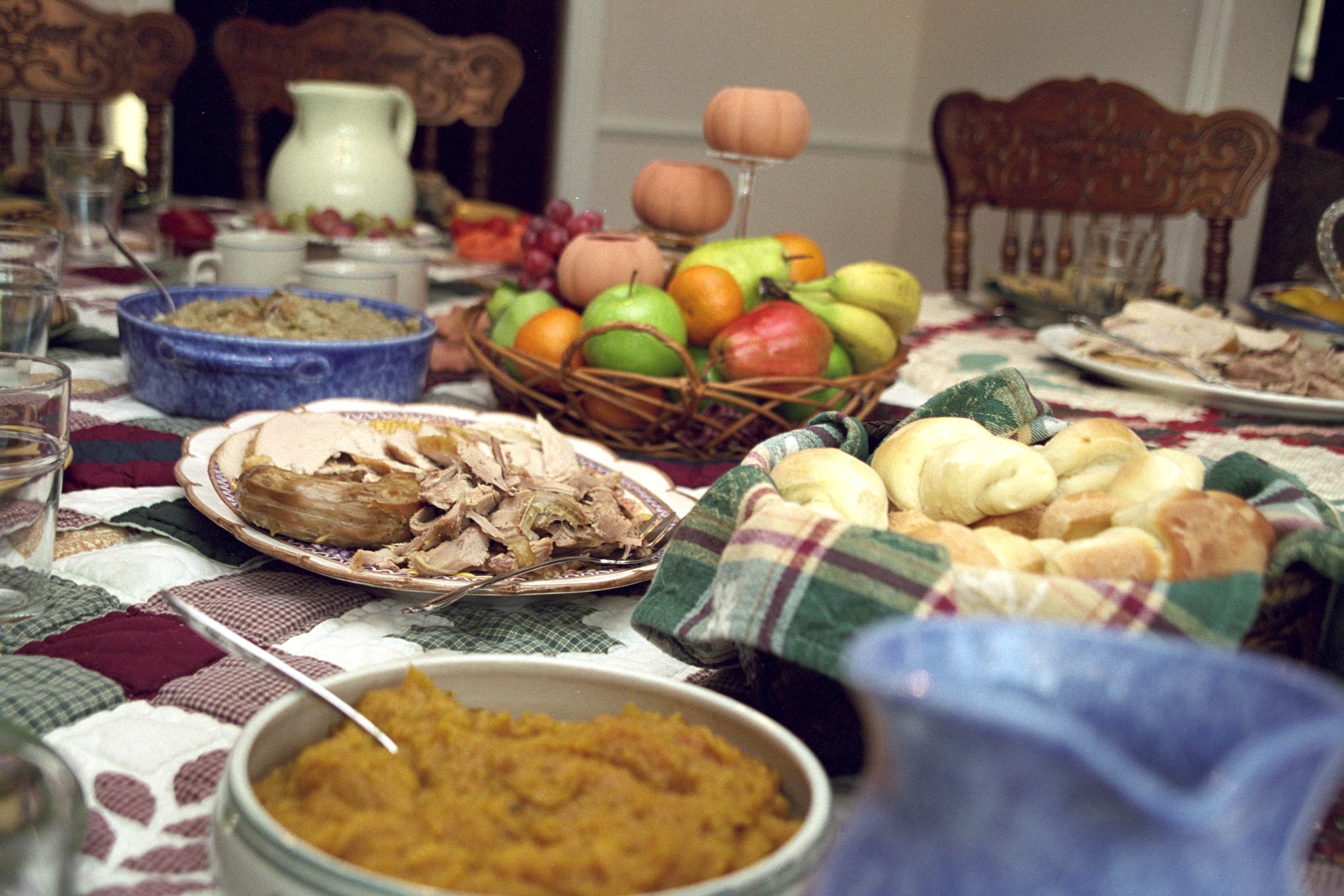 |
| A traditional Thanksgiving dinner table with roast turkey and classic sides. Photo: Ben Franske / Wikimedia Commons (freely licensed). |
Right now, Thanksgiving dinner preparations are one of the most talked-about topics online, and for good reason. Millions of people are planning the same meal at the same time. If you are one of them, here is a practical guide to eating well on the big day - no crash diets, no guilt, just smart habits that actually work.
A typical traditional Thanksgiving meal can pack between 3,000 and 4,500 calories, according to Consumer Reports figures shared by Sutter Health dietitians. The dinner itself runs to about 3,000 calories on average, and when you add the snacks, drinks and second helpings across the whole day, many people end up closer to 4,500 calories. That is roughly double what most adults need in an entire day.
That number is not meant to scare you. It is meant to explain why a little planning helps. You do not need to count every calorie at the table. You just need a plan, and the plan starts before you sit down.
The most common Thanksgiving mistake is skipping breakfast and lunch so you can eat more at dinner. It sounds logical, but it almost always backfires. Endocrinologist Dr. Krista Gonzales of ThedaCare explains that skipping meals causes ghrelin and other hunger hormones to surge, which leads to overeating later in the day. A balanced breakfast with protein and fibre - eggs, Greek yogurt, wholegrain toast or oatmeal with fruit - keeps those hunger hormones in check and helps you arrive at dinner hungry, not ravenous.
Registered dietitian Alex Blevins, writing for the College of Charleston, makes the same point: approach Thanksgiving like any other day, eat at your regular mealtimes, and aim for balance rather than restriction. Steady blood sugar through the day supports digestion and leads to calmer, more mindful choices at the table.
When you do sit down, the simplest guide is the healthy plate method. Dietitians at Sutter Health and ThedaCare describe it the same way: fill half your plate with non-starchy vegetables such as green beans, salad, Brussels sprouts, squash or carrots; a quarter with protein, such as turkey; and a quarter with carbohydrates, such as mashed potatoes, sweet potatoes or stuffing. That mix lets you taste a little of everything while most of what you eat is lower in calories and rich in fibre.
Fibre matters here. Vegetables take longer to digest and help you feel full on fewer calories, as Sutter Health dietitians point out. And colourful vegetables make the plate look as good as it tastes. Go for the greens rather than extra bread or rolls, and go light on the stuffing, sauces and gravy.
The order you serve yourself matters too. Nutrition writer Monica Reinagel, writing for Quick and Dirty Tips, suggests serving yourself the turkey and vegetables first and leaving less room on the plate for the starchy fillers. If you are cooking, make sure there are at least as many vegetable dishes as starches, and resist smothering them all in cheese, cream soup or fried onions.
Her second tip is just as useful: choose one starch instead of trying them all. Mashed potatoes, sweet potato casserole, stuffing, dinner rolls - you do not need all four. Pick the one you love most and enjoy a proper portion of it. The same goes for appetizers. Keep the pre-dinner snacks light, with crisp vegetables and a yogurt-based dip rather than cheese, crackers and bacon-wrapped bites, and clear the snacks away about an hour before dinner so everyone sits down with a real appetite.
Research shows that when we use smaller plates, we serve ourselves smaller portions and eat fewer calories, but feel just as satisfied. Setting the table with smaller plates is one of the easiest changes you can make, and nobody at the table will even notice.
Then slow down. The University of Maryland Medical System advises eating mindfully: eat slowly, really focus on enjoying the food, and wait 20 minutes after a big meal before going for seconds, so your brain has time to register that you are full. Savoring each bite does more than help digestion. It helps you reach satisfaction in fewer bites, because you are actually paying attention to the taste and texture instead of eating on autopilot.
If you know you want dessert, Sutter Health dietitians suggest cutting back on other carbohydrates in the meal, such as stuffing or bread, to make room for it. Pick the dessert you truly want - the pumpkin pie, not a little of everything - and enjoy it properly. A lighter pumpkin pie made with avocado and almond milk instead of evaporated milk is one clever swap, but the real secret is simply choosing one favourite and stopping there.
Alcohol is high in calories, and it also weakens your ability to tell whether you are really hungry, as the University of Maryland Medical System notes. If you drink, Sutter Health dietitians advise sticking to a 5-ounce glass of wine, one beer or one cocktail. Alternating each drink with a glass of water helps too, and it keeps you hydrated through a long meal.
Movement is the perfect finish to a Thanksgiving dinner. A walk after dinner helps digestion and steadies blood sugar, and it is something the whole family can do together. The University of Maryland Medical System suggests getting the family involved - a walk after dinner, a game of touch football, or a local Turkey Trot. ThedaCare adds that the endorphins and fresh air have real psychological benefits too, especially on a busy, emotional day.
If you want a plan for the morning of Thanksgiving itself, our 20-minute Thanksgiving workout burns off some of the feast before it even starts. And for the walk after dinner, the Japanese walking method turns a gentle stroll into a surprisingly effective mini-workout.
Here is the most important part. Thanksgiving dinner is one meal on one day. A little indulgence is fine, and the day after, you simply return to your normal routine. The University of Maryland Medical System puts it well: do not beat yourself up. If you overeat, balance it out with extra-healthy eating the next day or an extra trip to the gym, and move on.
If the holidays tend to throw your sleep off too, remember that poor sleep makes weight gain more likely, so a good night's rest after the feast is part of the plan as well. And if you want to know where you stand, our free calorie calculator shows how many calories you actually need each day, so one big meal stays in perspective.
Enjoy the food, enjoy the people, and let the meal be a celebration - not a setback. That is what Thanksgiving is for.
A typical traditional Thanksgiving meal packs between 3,000 and 4,500 calories, according to Consumer Reports figures shared by Sutter Health. The dinner itself is about 3,000 calories on average, with snacks and drinks across the day pushing the total higher.
No. Skipping meals causes hunger hormones such as ghrelin to surge, which almost always leads to overeating later, according to endocrinologist Dr. Krista Gonzales of ThedaCare. Eat a balanced breakfast with protein and fibre, and eat at your normal mealtimes.
Use the healthy plate method: half the plate with non-starchy vegetables, a quarter with protein such as turkey, and a quarter with carbohydrates such as mashed potatoes or stuffing. This is the guidance given by dietitians at both Sutter Health and ThedaCare.
Yes. Choose the dessert you want most and enjoy a proper portion of it. Dietitians suggest trimming other carbohydrates in the meal, such as stuffing or bread, to make room for it, rather than skipping dessert entirely.
Yes. A gentle walk after the meal aids digestion, helps steady blood sugar and burns some of the extra calories. Family walks, a game of touch football or a local Turkey Trot are all good options, and the fresh air and endorphins help your mood too.
Comments
Post a Comment